
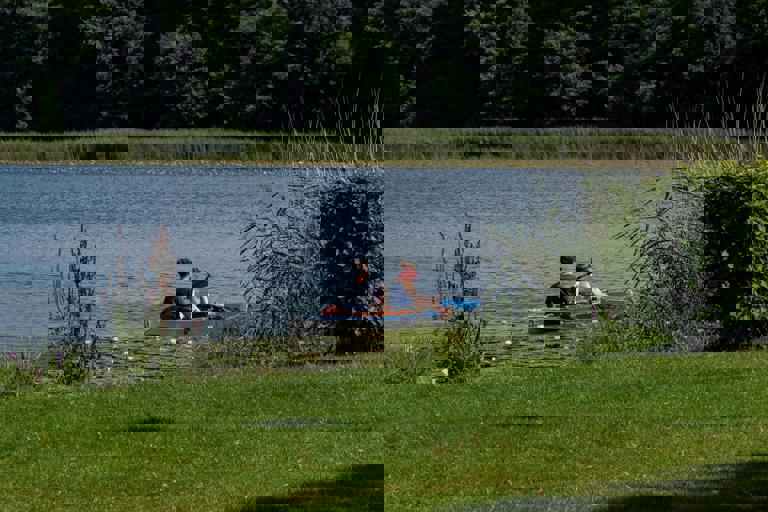
A new adaptive rowing program designed specifically for youth with physical disabilities has been launched by a prominent regional sports club, marking a significant step forward for inclusivity in Canadian sports. This initiative aims to provide young people who experience mobility challenges the opportunity to engage in the sport of rowing, an activity traditionally associated with able-bodied athletes. By addressing accessibility obstacles, the program is opening new doors for physical activity and teamwork.
The program’s organizers emphasize that every detail has been considered to ensure a welcoming atmosphere for all participants. Specialized rowing equipment, such as modified seats and rigging, has been introduced to accommodate different physical needs. Coaches have undergone extensive training in adaptive techniques, ensuring they can provide meaningful guidance and encouragement regardless of participants’ abilities. The rowing club’s docks and facilities have also been updated to comply with accessibility standards, making entry and exit safe and convenient for wheelchair users and others with mobility concerns.
According to club director Melissa Irving, the project was inspired by feedback from families who longed for more sporting options for children with disabilities. "We received messages from parents who wanted to see their children involved in team sports, but struggled to find appropriate programs," Irving explained. "Rowing is a fantastic way to build confidence, and we wanted to ensure that everyone has the opportunity to discover its benefits."
The adaptive rowing program is currently accepting participants between the ages of 10 and 17, with plans to expand to younger and older age groups in the future. Sessions are structured to focus not only on rowing skills but also on teamwork, leadership, and personal growth. "We believe in fostering a supportive community where youth can challenge themselves and celebrate their accomplishments," said head coach David Patel. "It’s not just about sports; it’s about belonging."
One of the program’s earliest registrants, 13-year-old Taylor Chong, spoke about the excitement of trying something new. "I didn’t think I’d ever get the chance to row," Taylor said. "When my mom found out about this program, I was nervous at first, but the coaches made me feel comfortable right away." Stories like Taylor’s illustrate the powerful impact such initiatives can have on self-esteem and overall well-being.
Research has shown that physical activity is crucial for young people with disabilities, both for physical health and social integration. A 2022 Canadian study found that only 18% of children with disabilities regularly participate in organized sports, compared to 50% of their non-disabled peers. Adaptive sports programs like this rowing initiative address that disparity by removing barriers and providing tailored support.
Beyond the individual benefits, organizers hope the program inspires a shift in public perception regarding what youth with disabilities can achieve. "Participants aren’t defined by limitations here – they’re athletes, teammates, and friends," Patel explained. "We want the broader community to see their hard work and recognize their capabilities." By hosting exhibition races and community events, the club hopes to showcase the skills and resilience of its adaptive athletes.
Parental involvement is encouraged, with the club offering workshops and information sessions to help families better support their children’s sporting journeys. Many parents appreciate the program for both its inclusivity and its focus on building life skills. "My daughter has gained so much confidence since joining," said local parent Jasmine Lee. "She’s made friends and learned to advocate for herself as part of a team."
Safety is a paramount consideration in every aspect of the adaptive rowing program. Before getting on the water, each participant undergoes a thorough assessment to determine the best equipment and support. Trained staff monitor all sessions, and the club maintains a close relationship with medical professionals to ensure that the physical needs of every rower are met. Emergency protocols are strictly observed to provide peace of mind for families.
Funding for the program has come from a combination of government grants, private donations, and fundraising campaigns. The club also works closely with national disability sport organizations to ensure that best practices are followed and that the latest adaptive technologies are made available. Through these partnerships, the program not only enhances inclusivity locally but also contributes to the broader movement toward accessible sport in Canada.
Looking ahead, organizers plan to incorporate additional adaptive sports into the club’s offerings, including kayaking and paddleboarding. They hope the rowing program’s success will inspire other sports organizations in the region to develop similar opportunities for young people with disabilities. "Our ultimate goal is to build a sporting landscape where every child, regardless of ability, has a place to belong and thrive," said Irving.
Registration for the adaptive rowing program is ongoing, with information available through the club’s website and social media channels. Interested families are encouraged to attend open house events to meet coaches and tour the facilities. As the program gains momentum, club leaders believe it represents not just an expansion of offerings but a fundamental shift toward greater equity and inclusion in youth sports. The ripples created by this initiative may, in time, extend far beyond the water’s edge.